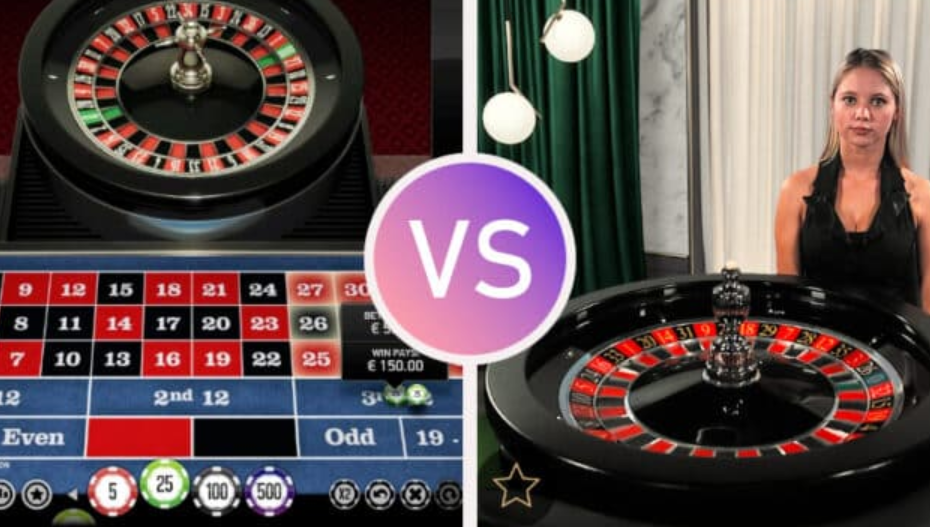
When Kenyan players compare rng vs live casino Kenya, they mostly care about which format is safer for their money and data. That comparison is really about fairness live dealer vs rng and how each format proves its honesty to regulators and players.
Both systems can be fair when they are tested, certified, and monitored by independent labs and Kenyan regulators. Your job is to look past graphics and marketing and focus on licences, audits, and clear information that support player trust rng vs live over the long term.
Understanding rng casino games 🤖
Before you trust any digital spin or deal, you should have the random number generator explained in simple, non-technical language. RNG games power online slots, digital roulette, and virtual blackjack, and they rely entirely on math and software to decide every outcome.
Random Number Generator mechanics explained 🔢
At the core of each game is a small program that constantly cycles through huge sequences of numbers in microseconds. When you click “spin” or “deal,” one number or set of numbers is sampled and translated into symbols, cards, or wheel positions.
A good review or certificate will have the rng algorithm explained alongside the basic maths of each game. Continuous rng randomness checks look for patterns or clusters that should never appear in truly unpredictable outcomes, especially in platforms promoted as trusted rng casinos.
Pseudo-random vs true random distinction 🎲
Most online casino software uses pseudo-random number generators; these are algorithms that imitate randomness so well that patterns are practically impossible to detect. True random systems rely on physical sources such as noise or hardware but are less common in online gambling.
From a regulator’s point of view, rng vs real dealer games are simply two technical paths to the same goal: a fair, unpredictable result that matches the published RTP. What matters is whether both approaches are properly configured, tested, and locked down.
Seed values and result generation 💻
RNG systems start from a “seed” value, often based on changing variables like time or hardware activity. The seed and internal logic are kept secret to prevent anyone from predicting or reversing results.
Auditors verify that the game used in production matches the approved build, with the rng algorithm explained in technical documents and backed by logs. If anything looks suspicious, investigators compare data against those earlier rng randomness checks to detect tampering.
How RNG Seeds Protect Fair Play
- ❌ Seed values are secret and based on variables like time or hardware activity.
- ❌ Auditors verify the production game matches the approved build.
- 💡 Suspicious data triggers investigations comparing current results to past RNG checks.
- ⚡ Tampering detection depends on accurate logs and transparent audits.
How live casino differs 🎥
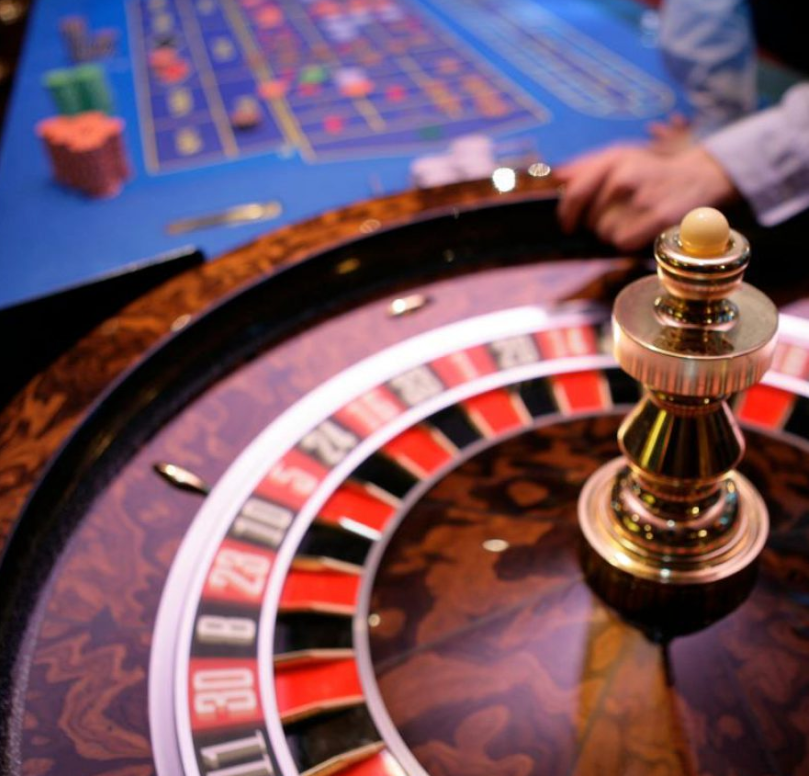
Live casino platforms use real cameras, dealers, and tables instead of pure software, combining a studio with online betting. Most sites now offer both real vs virtual casino tables, letting you choose what feels natural.
Physical elements: cards, wheels, balls 🎴
In live roulette, blackjack, and baccarat, the randomness comes from cards, wheels, and balls on a real table. Visible cards help many players believe in fairness in live games Kenya, especially when combined with proper licensing and surveillance.
Because the game is physical, any marked cards or biased wheels would need to be caught by staff, inspectors, or players watching closely. That is why solid casino game fairness audits include detailed checks of live equipment as well as studio security.
Human dealer factor and procedures 👤
Dealers follow strict instructions on how to shuffle, cut, deal, and spin, all observed through cameras and internal supervisors. Rules, supervision, and camera coverage all contribute to Kenya live dealer fairness when the studio is properly regulated.
The human presence is important psychologically, because it boosts Kenya live dealer trust when players see questions answered in chat and procedures followed consistently. However, dealers still cannot change odds that are defined by rules and game design.
Real-time streaming verification 📹
Every live session is streamed in real time, which gives players a clear view of what is happening on the table. If something looks wrong, operators and regulators can review recordings frame by frame.
Public reports describing how live casinos audited Kenya are a key sign that a studio takes compliance seriously. Combined with data logs, those recordings create a strong evidence trail if disputes or investigations arise.
Fairness testing methods 🧪
Both RNG and live products must pass casino game fairness audits before going live. Independent labs test software for bugs and bias and confirm that real equipment and studio procedures follow the agreed rules.
Detailed rng casino audits Kenya operators undergo include code inspection, replayable simulations, and comparison between advertised and actual RTP. At the same time, software testing live casinos covers cameras, servers, shufflers, and data feeds.
RNG certification: millions of rounds tested 📊
Labs simulate millions of rounds to see whether symbol frequencies and payouts match the mathematical model. They check whether the game’s long-term return behaves as promised to players.
Independent seals from GLI, iTech Labs, or eCOGRA rng audits show that a product has passed these checks. Both digital-only brands and mixed platforms that host RNG and live games rely on these approvals.
RNG Certification Highlights
- ✅ Labs simulate millions of rounds to verify payout fairness and symbol frequencies.
- 💡 They ensure the game’s long-term return matches promised rates.
- ✅ Certifications from GLI, iTech Labs, or eCOGRA confirm rigorous audits.
- ⚡ Both pure RNG brands and hybrid platforms depend on these trusted seals.
Live audits: equipment and procedure checks 🔍
In live studios, auditors test the randomness of shuffles, the balance of wheels, and the integrity of cameras and sensors. Dealers and staff must follow precise rules for handling cards, chips, and spin outcomes.
Detailed software testing live casinos undergo includes linking streaming systems to the game servers so every bet and result is recorded. This ensures that how live casinos audited Kenya is consistent over time, not just during initial certification.
Statistical analysis and deviation monitoring 📈
Even after launch, operators monitor game data for anomalies. Ongoing statistical checks compare theoretical house edge with real data, highlighting any strange trends in rng vs live payouts.
These systems also support continuing rng randomness checks, helping regulators spot issues early. When a problem appears, games can be paused while labs and regulators review the evidence.
Audit organizations & standards 🏛️
Several global labs work with Kenyan-facing operators to check randomness, security, and integrity. Their logos on a casino site are a simple but powerful sign of independent testing.
Modern casino regulation Kenya increasingly points operators toward these well-known testing houses. Logos from GLI, iTech Labs, or eCOGRA rng audits are strong indicators that serious testing has been done.
eCOGRA: testing procedures and reports 📋
eCOGRA specialises in online gambling standards, fairness, and player protection. Its audits cover RNG games, live studios, and operational controls such as cash handling and security.
When you see eCOGRA rng audits referenced by a casino, you know that the platform’s randomisation, payout integrity, and basic security were independently checked. This adds another layer of trust on top of local licensing.
GLI (Gaming Labs): certification process 🔬
Gaming Laboratories International tests land-based and online products worldwide. It reviews game math, source code, shufflers, and other critical components.
Whether you are playing slots or live roulette, GLI approvals show that both RNG and live systems meet international benchmarks. They complement casino game fairness audits carried out for specific regions.
iTech Labs: RNG and live standards 🧪
iTech Labs focuses heavily on RNG testing and detailed statistical analysis. Its reports explain how the random number generator works and whether it passed long-run probability checks.
Many operators use a combination of GLI, iTech, and eCOGRA, rather than just one lab. That way, rng transparency vs live dealers is backed by multiple independent opinions instead of a single certificate.
Trust factors compared ⚖️
On the surface, live tables look more “real” and RNG games look more “technical.” In practice, both can be honest or dishonest depending on how they are regulated and monitored.
Sticking to big brands and trusted rng casinos is safer than chasing untested sites, no matter which format you choose. In the end, player trust rng vs live comes from licences, audits, and behaviour, not slogans.
Transparency: visible vs algorithmic 👁️
Live games win on visual transparency because you see every shuffle and spin. RNG titles win on documentation, since they often publish precise RTPs and clear rules.
For many players, the best compromise is a casino that shows strong evidence of fairness in both formats. Clear RTP listings, lab seals, and honest support strengthen rng transparency vs live dealers instead of turning them into rivals.
Speed manipulation possibilities 🚀
RNG games can be extremely fast, which can feel overwhelming and lead to quick losses if you do not manage your bankroll. Live tables are slower, but small time limits and extra side bets can still increase risk.
Certified platforms must keep rules transparent so that speed and features do not hide unfair conditions. That is why fairness live dealer vs rng is really about clear information, not just how quickly results appear.
Result verification methods 📊
RNG disputes are usually decided by logs that show the exact RNG outputs and game states. Live disputes use recordings and table logs to reconstruct each round.
Good operators explain how to raise complaints and what evidence they use to decide. Clear logs, RTP tables, and replay tools all support rng transparency vs live dealers in practice.
Result Verification Methods
- RNG disputes are usually decided by logs that show the exact RNG outputs and game states.
- Live disputes use recordings and table logs to reconstruct each round.
- Good operators explain how to raise complaints and what evidence they use to decide.
- Clear logs, RTP tables, and replay tools all support RNG transparency vs live dealers in practice.
Common misconceptions debunked 🚫
Many complaints about casinos are driven by frustration rather than facts. Understanding common myths can help you avoid unfair conclusions about either format.
Both systems are backed by casino game fairness audits, strict licensing, and independent labs when you play on regulated sites. The problems mostly appear on unlicensed or badly monitored platforms.
“Live is always fairer” myth 🎯
Some players assume that if they can see a dealer, the game must be honest. Sadly, shady studios or unlicensed platforms can still cheat if no one checks their equipment or practices.
Fairness for live tables depends on external checks, not just cameras. True fairness in live games Kenya exists only where licensing, audits, and proper enforcement are present.
The Truth Behind the “Live is Always Fairer” Myth
- Some players assume that seeing a dealer guarantees honesty, but unlicensed or shady studios can still cheat.
- Fairness depends on external checks, not just live video cameras.
- True fairness in live games Kenya exists only with licensing, audits, and proper enforcement.
“RNG is rigged” paranoia 😰
Online rumours often claim that RNG games are secretly designed to make players lose more than expected. In regulated markets, changing the game math without fresh tests would immediately break licence conditions.
Independent labs and regulators compare long-term performance with published returns. When rng casino audits Kenya are done properly, the math is locked, and manipulation becomes extremely risky for the operator.
“Dealers control outcomes” belief 👤
Dealers may choose when to spin or deal, but they still operate within strict rules and under surveillance. They cannot decide which card comes next or where a wheel will stop.
If anything, the combination of cameras and supervisors makes staff cheating harder in good studios than in casual land-based venues. Here again, Kenya live dealer fairness comes from systems, not personalities.
Kenya regulatory perspective 🇰🇪
Kenya has been tightening gambling rules and updating licensing, tax, and enforcement policies. Modern casino regulation Kenya aligns more closely with global standards and leaves less room for shady operators.
These laws cover both RNG software and live studios, including anti-money-laundering and player protection requirements. Together they support the idea of Kenya safe casino gaming rather than leaving everything to chance.
BCLB requirements for both formats 🏛️
Historically, the Betting Control and Licensing Board (BCLB) has overseen licensing and compliance for gambling operators. Both RNG and live platforms had to present certificates and meet basic security and reporting standards.
New bodies and updated laws are gradually replacing or reshaping these structures. For players, the key point is that both formats are treated equally seriously under casino regulation Kenya.
BCLB Requirements for Both Formats
- Historically, BCLB oversaw licensing and compliance for gambling operators.
- Both RNG and live platforms had to present certificates and meet security and reporting standards.
- New bodies and updated laws are reshaping these structures.
- Both formats are treated equally seriously under Kenya’s casino regulations.
Testing frequency mandates 📅
Regulators usually require testing before launch and periodic re-testing, especially after major updates. Operators must send new lab reports or risk enforcement action.
Ongoing statistical monitoring also supports these checks. If data exposes problems, extra casino game fairness audits or emergency suspensions can follow.
Player protection measures 🛡️
Regulation now emphasises responsible gambling tools, self-exclusion, and clear advertising rules. These steps, supported by local law, form the backbone of Kenya safe casino gaming rather than relying on self-policing by operators.
Public blacklists, licence searches, and visible audit certificates Kenya casinos publish help players identify safe options. They also make it easier to avoid brands that do not take compliance seriously.
Player experience differences 👥
Even when fairness is equal, the two formats feel very different to play. Your personality, budget, and goals will influence which experience fits you best.
Pace of play comparison ⏱️
RNG games can deliver hundreds of rounds per hour, especially with auto-play. This makes them ideal for short, focused sessions but risky for impulsive players.
Live tables move at human speed, giving you more time to think between decisions. Some people find this calmer pace helpful for bankroll control.
Social interaction factors 💬
Chat tools, visible dealers, and other players create a social atmosphere in live studios. This environment can enhance Kenya live dealer trust when you see staff responding quickly and professionally.
RNG games feel more private and quiet, which suits players who like to concentrate or play on the move. Both styles can be enjoyable if the underlying games are properly certified.
Dispute resolution processes 📋
RNG disputes rely mainly on logs, timestamps, and technical records to reconstruct each spin. Live disputes add video replays and table logs to that evidence.
Clear processes and transparent communication help players accept outcomes in both formats. This clarity supports rng transparency vs live dealers by showing that every complaint receives a structured review.
Bonus Terms & Wagering Tips
- ✅ Friendly terms: fair wagering, clear rules for both RNG and live tables.
- ❌ Strict traps: tiny time limits, excluded live games, or hidden win caps.
- 💡 Tip: always check how bonuses treat real vs virtual casino tables before you accept.
- ⚡ Red flag: offers only from unlicensed brands or sites that hide their audit certificates Kenya casinos should display.
- ⚡ High-stakes player: choose brands with multiple lab seals and strong eCOGRA rng audits.
Choosing based on fairness 🎯
If both formats are properly certified, the “fairer” choice often comes down to your comfort and playing style. Some players lean toward maths and documentation; others trust what they can see on a screen.
When comparing rng vs live casino Kenya, look at licences, lab seals, support quality, and responsible gambling tools instead of relying purely on feel. That approach turns fairness into something you can check, not just guess.
When RNG offers better odds 📊
Many RNG table games and some slots publish very high RTPs, sometimes higher than comparable live versions. Clear paytables make it easy to compare options and decide which games suit your risk tolerance.
Because maths is fixed, documentation is crucial here. Strong rng casino audits Kenya and multiple lab logos can be a big advantage for value-focused players.
When live provides more confidence 🎥
Some players simply feel safer when they can see cards and wheels in action. For them, visible procedures plus strong studio licensing build confidence faster than technical documents.
Provided the studio has proper approvals and publishes its testing partners, Kenya live dealer fairness can feel very convincing. Chat tools and real hosts also strengthen Kenya live dealer trust.
Mixed approach benefits 🔄
A mixed strategy lets you use RNG titles for quick sessions and live tables for social or high-focus play. It spreads your activity across different providers and technologies.
Using limits, breaks, and careful game selection is still essential. These habits, together with good regulation, are what really deliver Kenya safe casino gaming in the long term.
Player Types & Recommendations
- ✅ Analytical player: slow-paced RNG blackjack and roulette with clear RTP tables.
- ❌ Impulsive player: avoid ultra-fast slots; use live games to slow down.
- 💡 Social player: pick live studios with localised chat and visible Kenya live dealer fairness procedures.
- ⚡ High-stakes player: choose brands with multiple lab seals and strong eCOGRA rng audits.
Red flags for both formats ⚠️
The biggest dangers usually come from bad operators, not from the formats themselves. RNG and live products can both be unsafe if they are offered without proper oversight.
Missing audit certificates 📋
If you cannot find lab logos, licence numbers, or links to official reports, be cautious. You should always be able to click from a footer logo to real audit certificates Kenya casinos have obtained.
Lack of transparency does not prove cheating, but it makes independent checks impossible. In such cases, it is safer to play elsewhere.
Unusual result patterns 📈
Short losing streaks are normal in all gambling, but extreme or repeated anomalies deserve attention. Take notes, screenshots, and round IDs if you think something is wrong.
Remember, though, that feelings can be misleading; only data and proper rng randomness checks can confirm real bias. Regulators rely on statistics, not anecdotes, to take action.
Lack of regulatory compliance 🚫
If a site does not list any valid Kenyan or respected international licence, it is better to avoid it completely. Without regulation, promises about fairness in live games Kenya or safe RNG play are just words.
Support & Responsible Play Highlights
- ✅ 24/7 support via chat and email, with staff who understand both RNG and live procedures.
- ❌ Evasive or rude answers when you ask about licences, audits, or RTPs.
- 💡 Built-in tools like deposit limits, cool-off periods, and self-exclusion options.
- ⚡ Quick links to professional help services, showing real commitment beyond marketing.
FAQ ❓
Is live casino truly random? 🎲
Yes, live casino is random when equipment, dealers, and studios are independently tested and monitored. Cameras, logs, and certified procedures ensure that no one can systematically control the results.
Can RNG games be manipulated? 🤖
On licensed sites, RNG code is locked, audited, and regularly checked, so manipulation would be extremely risky for the operator. The real danger lies in unlicensed casinos using untested software, which you should avoid.
Which format has better RTPs? 📊
Often, RNG table games and some slots have higher stated RTPs than their live equivalents. However, you must check each game’s paytable and rules because returns vary widely.
How often are games tested? 🧪
Games are tested heavily before launch and then monitored or re-tested whenever major changes occur. Regulators and labs may also request extra reports if data suggests something unusual.
Where can I verify audit reports? 📋
You can usually verify reports by following links from casino footers to lab pages or PDF certificates. Many labs, such as those mentioned in eCOGRA rng audits, also list approved providers on their own websites.
Does BCLB test games directly? 🇰🇪
Traditionally, the BCLB and newer authorities rely on accredited labs to handle detailed testing while they oversee licensing and enforcement. Their role is to ensure that operators use certified games and follow national rules rather than running tests entirely in-house.